FAES pays school and household aid to 94,084 people through MonCash and NatCash
The first wave of the government's school subsidy sends 15,000 gourdes net to each beneficiary's mobile wallet, with withdrawal fees covered. A second wave of 55,916 is planned.
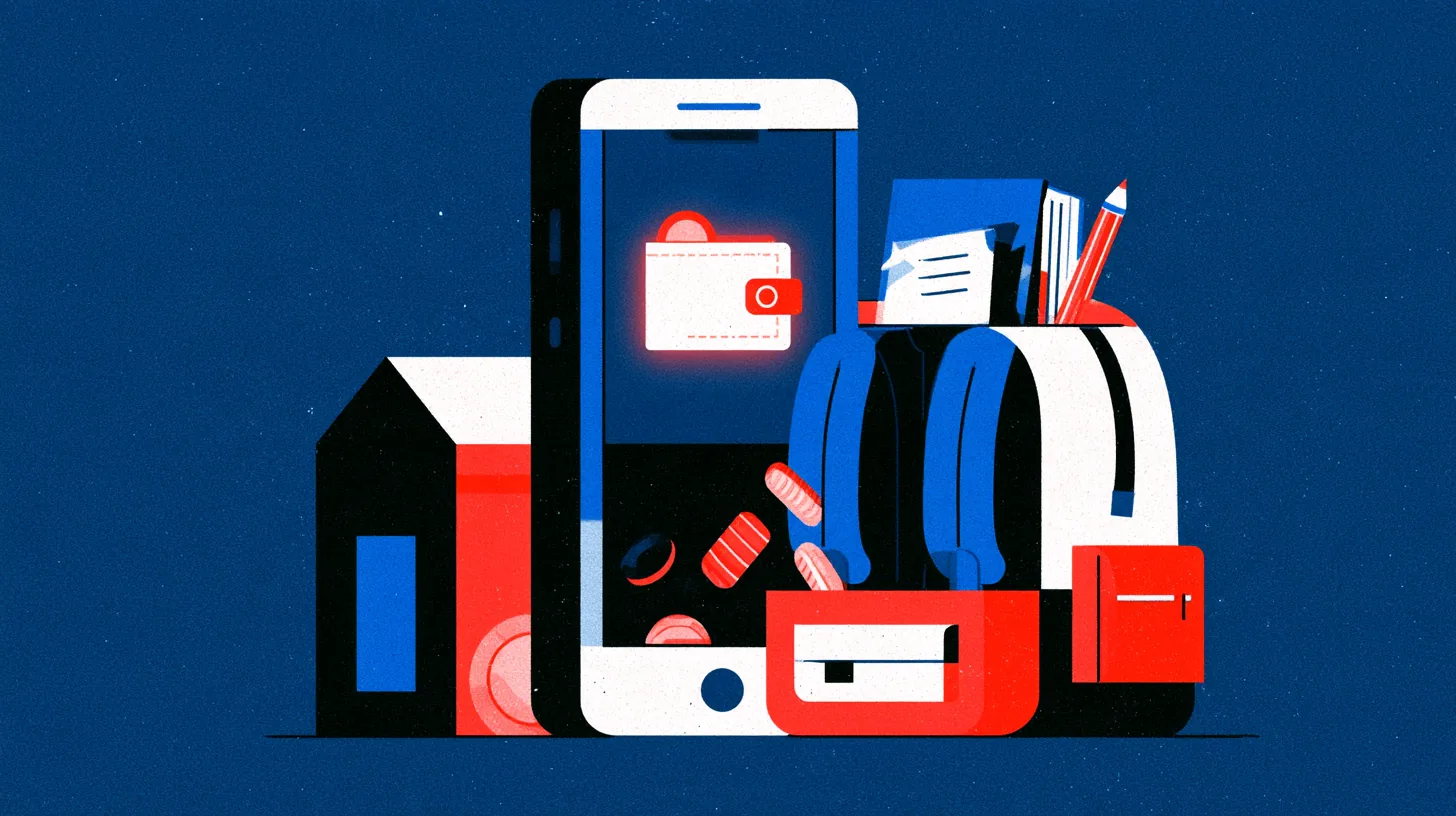
The Fonds d'assistance économique et sociale (FAES) has started paying its school subsidy straight into mobile money wallets. Director general Kesner Romilus announced the first wave at a press conference in Port-au-Prince on Monday, October 5, reported by Vant Bèf Info.
Who gets what
The first wave reaches 94,084 beneficiaries: 73,948 parents of schoolchildren and 20,136 vulnerable families. Each receives 15,000 gourdes net, and the FAES covers the withdrawal fee. That is why balances show slightly more than 15,000: 15,342 gourdes on NatCash and 15,380 on MonCash.
- Natcash: 47,707 beneficiaries (38,021 parents and 9,686 vulnerable families)
- MonCash: 46,377 beneficiaries (35,927 parents and 10,450 vulnerable families)
At 15,000 gourdes each, the first wave adds up to more than 1.4 billion gourdes.
What comes next
The programme, run under the Ministry of Social Affairs and Labour, targets 150,000 households for the 2025–2026 fiscal year: 120,000 parents of schoolchildren and 30,000 vulnerable families. This first wave covers 62.7% of that. A second wave of 55,916 beneficiaries (46,052 parents and 9,864 families) was announced for the end of the same week; we have not yet seen confirmation that it has been paid. The FAES also says transfers for textile and national-production workers are being prepared.
Watch out for scams
The FAES warned beneficiaries to use only their own phone number, never to lend it, and never to share their NatCash or MonCash PIN, even with someone claiming to work for the FAES, Natcom or Digicel. "Pa janm bay pèsonn kòd sekrè NatCash ou oswa MonCash ou," the agency said. Getting on the list costs nothing, and no one can sell a place on it.
Why it matters
Paying more than 94,000 people at once, without cash queues or paper cheques, relies on the two mobile money networks that already reach most of the country. It is one of the largest examples yet of digital payments carrying a public service in Haiti, and a test of how well wallets, agents and fraud protection hold up at that scale.